





























NEWS

HOME ꄲ NEWS ꄲ Confirmed: Russia Bombs Odessa Port! Business Suspension Expands! Ocean Freight Rates Set to Surge! Thousands of Stranded Seafarers to Be Repatriated

Confirmed: Russia Bombs Odessa Port! Business Suspension Expands! Ocean Freight Rates Set to Surge! Thousands of Stranded Seafarers to Be Repatriated

Published:2026-10-21 02:35
넶Views:8

 

On the 6th local time, the French Presidency announced that President Macron and Russian President Putin held a phone call that day. This marks the fourth call between the two leaders since the Russia-Ukraine conflict began.The French Presidency stated that the Russian side confirmed it will bomb the port of Odessa. At present, neither side has disclosed further details of the conversation.

 
Regarding Ukraine's attempts to delay the negotiation process, Putin pointed out that such efforts are futile, and that Russia can only halt its special military operation if Ukraine ceases hostilities and meets the demands put forward by the Russian side. At 10:00 Moscow time on March 7, Russia implemented a "silence regime" and opened humanitarian corridors to ensure the organized evacuation of civilians and foreign nationals.
French President Macron, who has been highly visible in the Russia-Ukraine situation, held his fourth phone call with Putin since the conflict began. Macron revealed that the Russian side confirmed it will bomb the port of Odessa.
Currently, following Maersk, MSC, CMA CGM, Hapag-Lloyd, and ONE successively suspending their operations in Russia and Ukraine, Maersk and CMA CGM have further expanded the scope of their service suspensions, now including operations in Belarus as well as rail and air freight-related services!
According to data from Alphaliner, a leading international shipping analysis agency, the combined capacity of these five shipping companies accounts for nearly 60% of the global market. Market insiders predict that their suspension of services to Russia will worsen supply chain disruptions and lead to a sharp rise in ocean freight rates. For details, see the following historical articles on the shipping network.
1)Service Suspension Scope Expands Further! Maersk/CMA CGM/COSCO Release Latest Cargo Suspension and Arrangement Notices
2)Another Cargo Ship Bombed, Russian Logistics "Grinds to a Halt"? Shipping Lines Suspend Route Services, Delays, Congestion...
3)Following Shipping Lines, Major Logistics Companies Follow Suit in Suspending Russian Operations
4)Breaking! Confirmed! Maersk and MSC Announce Suspension of All Russian Business Bookings!

5) Conflict Escalates: Vessels Hit, Ports Closed, Carriers Suspend Bookings, Logistics Operations Halted

In addition to carriers, major North American freight logistics giant Seko Logistics stated that it has "halted all shipments to and from Russia." DHL announced on March 2 that it has also suspended operations in Russia, while Kuehne+Nagel issued a notice on its official website on March 2 confirming the suspension of all operations in Ukraine. Most carriers (air, ocean, road, and rail) have ceased services to and from the Russian Federation, and Kuehne+Nagel has immediately suspended all import shipments into Russia pending further notice. DSV has decided to halt all rail services between Asia and Europe. UPS and FedEx have also suspended shipments to Russia.

Europe-Asia Transport Takes Another Hit: The suspension of operations by major carriers and logistics companies deals another heavy blow to supply chains still struggling to recover from the pandemic. For European importers, the new challenges include higher transport costs, longer delays, and a cascade of consequences from sanctions. This is on top of the soaring energy prices, product shortages, port congestion, and record-high inflation they were already facing.

Jennifer Hillman, a Georgetown University professor and former U.S. trade official, said: "Global supply chains remain severely disrupted. Suppliers are working to recover, but it takes time. With the Russia-Ukraine conflict, time has run out."
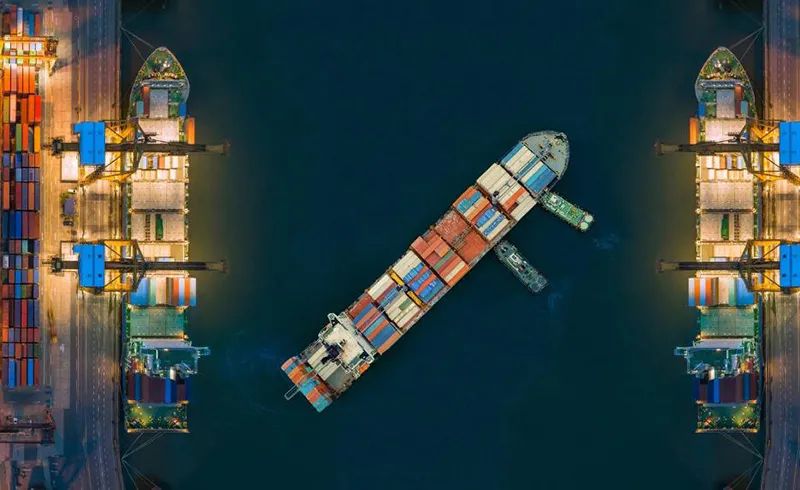
Key Routes Disrupted: In theory, apart from commodity exports, Russia and Ukraine are not major players in global trade. Russia is the world's 16th largest merchandise exporter, led by oil, coal, and natural gas. According to 2020 data from the World Trade Organization (WTO), Ukraine ranks 48th, with grain and iron ore shipments topping the list. The challenge lies in the fact that they sit along one of the world's oldest trade routes, which is also a key corridor of China's Belt and Road Initiative. On this route, maritime transport in Ukraine, Russia, and Belarus is restricted and unable to operate normally, and now even air and rail freight are facing limitations.

Jan Hoffmann, head of trade logistics at the United Nations Conference on Trade and Development (UNCTAD), believes that global maritime shipping capacity is currently stretched to its limit, making it unable to withstand even isolated regional shocks. He stated: "There is no slack in the current freight system, so any factor that hinders vessel operations will lead to a reduction in capacity."

"Pearl of the Black Sea" – Port of Odesa

Odesa is located in the southwestern corner of Ukraine, far from the capital, with its territory cut off by Moldova. Although geographically remote, Odesa is a developed coastal economic hub and Ukraine's second-largest city. During the Soviet era, Odesa was an important center for heavy industry and manufacturing.
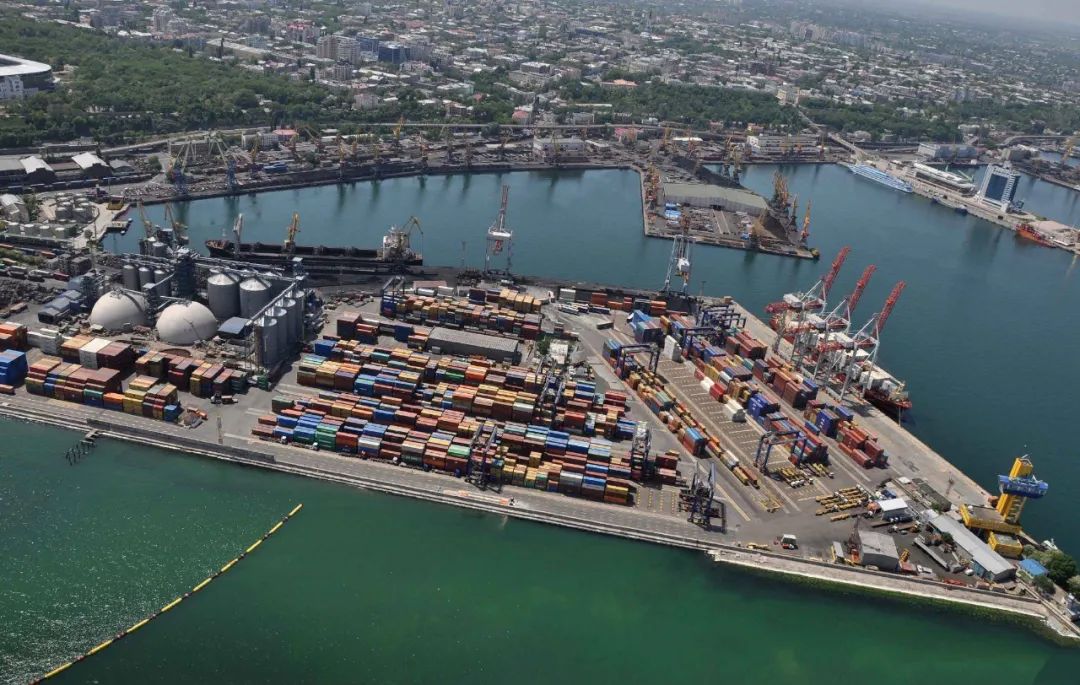
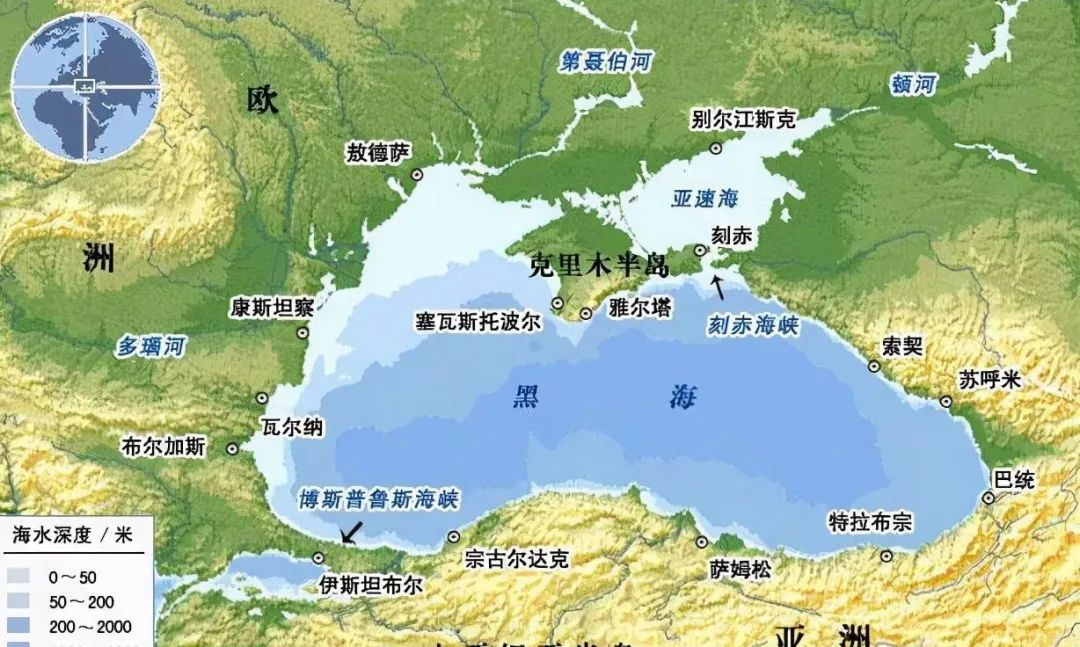
The Port of Odesa handles frequent foreign trade and was a key foreign trade port during the Soviet era, second only to the former Soviet Union's largest port, Saint Petersburg. Odesa borders the Black Sea and boasts Ukraine's largest bay port. It is Ukraine's main oil port and once handled over 50% of the former Soviet Union's foreign trade cargo. Bombing the Port of Odesa cuts off Ukraine's economic lifeline and also controls the maritime outlet for foreign intervention.
Historically, Odesa has always belonged to Russia, and its geographical location is extremely important. Known as the "Pearl of the Black Sea," it is a year-round ice-free port, highly advantageous for export trade operations. During the Soviet era, Odesa remained a vital Russian port. The port's foreign trade volume accounted for over 50% of the Soviet Union's total foreign trade, fully demonstrating its significance to Odesa.
Since Russia launched its offensive against Ukraine on February 24, French President Macron has held multiple phone conversations with Putin. At the end of Thursday's call, Macron stated that the "worst is yet to come" in the Ukraine conflict.
Embassies Strive to Repatriate Thousands of Stranded Seafarers
Of the world's 1.89 million seafarers, 10.5% (198,123) are Russian, and another 4% (76,442) are Ukrainian. With nearly 15% of global seafarers hailing from Russia and Ukraine,
The shipping industry may face a more severe labor shortage due to the situation in Ukraine.

It is estimated that over 2,000 seafarers are currently stranded in Ukrainian waters, facing increasingly dangerous conditions as Russia may soon launch bombardments on Ukraine’s largest port, Odessa.
According to the latest data from maritime platform Sea, as of the morning of the 7th, 100 merchant vessels remained in Ukrainian waters, a drop of over 50% since the conflict began 12 days ago. Since the Russia-Ukraine crisis erupted, all Ukrainian ports have been closed, and berthed ships are unable to depart. Embassies and consulates have been working around the clock to evacuate affected personnel from the country.

The Joint Negotiating Group (JNG) and the International Transport Workers’ Federation (ITF) last week designated the Black Sea and the Sea of Azov as warlike operations areas, thereby enhancing safety protections and other rights for seafarers in the zone.
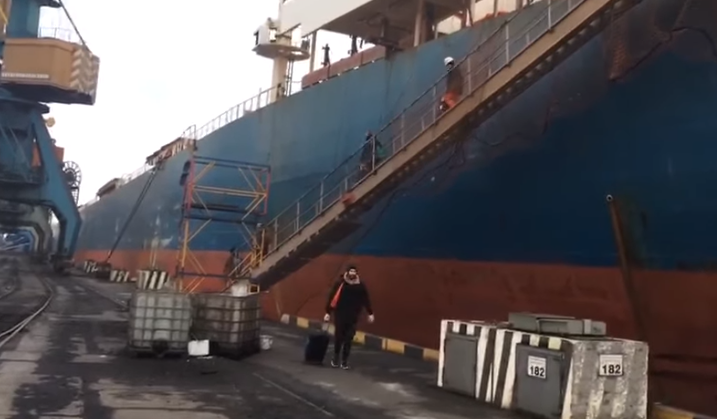
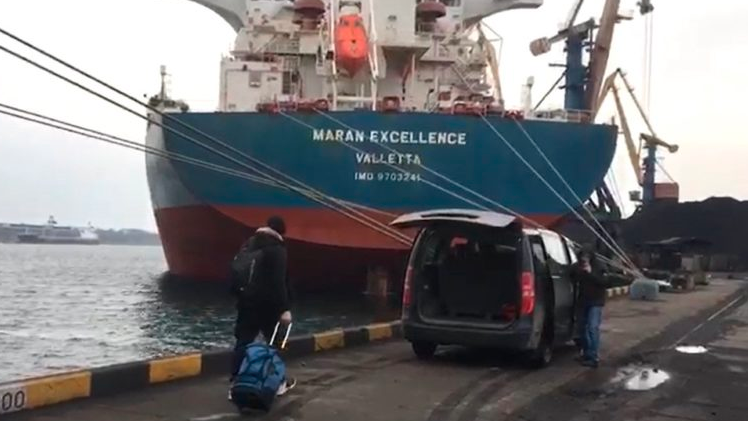
So far, five merchant vessels have been reported attacked since the conflict began on February 23, with one crew member confirmed dead. Ukraine’s State Border Guard Service released a video on Saturday showing crew members being evacuated from the port of Yuzhne, about 15 kilometers east of central Odessa. Fewer than 40 crew members from four international ships, including Greek, Filipino, and Romanian nationals, were transferred.

WIFFA is the home of China's freight forwarders.To join WIFFA, please click the bottom left “Read Original” to apply.