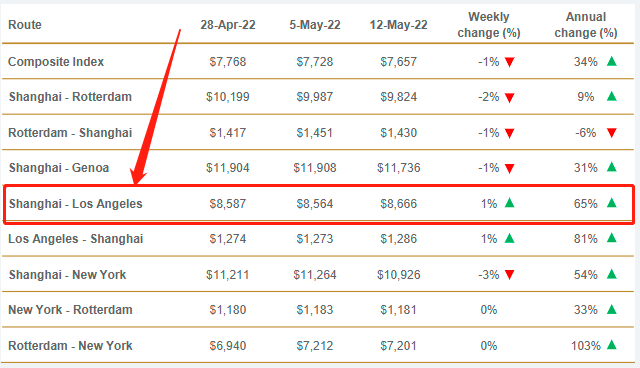
The "soaring" ocean freight rates continue to retreat, and the situation of "one container hard to find" has reversed. Instead, shipping companies are now actively seeking cargo with available space.Data released by multiple shipping consultancies, including Drewry, the Baltic Exchange, the Shanghai Shipping Exchange, and the Ningbo Shipping Exchange, shows that spot freight rates on some Asia-to-Europe and Asia-to-America routes are continuing to decline, and container shipping demand is also trending downward.
"Sky-High" Ocean Freight Rates Continue to Fall
Exporters Yet to Feel Significant Relief
Impacted by the pandemic, ocean freight rates remained elevated throughout 2021. After peaking during the Chinese New Year period, rates have since declined noticeably. To date, the average drop is around 20%. The US East Coast and West Coast routes have seen significant decreases, while the European routes have experienced even steeper declines.
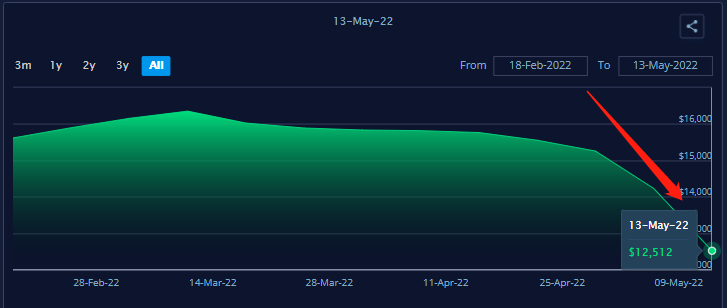
On May 13, the latest FBX data showed that the Asia-to-US West Coast rate dropped to $12,512 per 40-foot container, the lowest level since July last year.
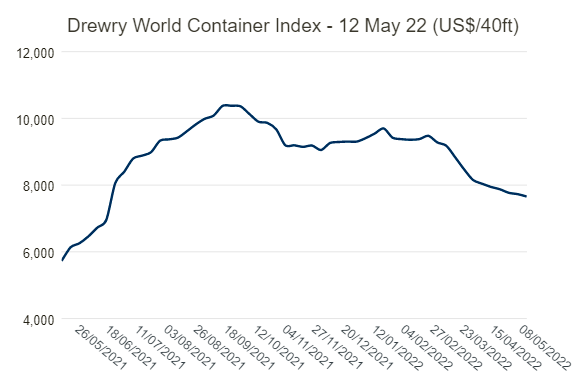
From the beginning of this year to April, Drewry's World Container Index (WCI) had fallen by over 16%. On April 14, the WCI composite index dropped below $8,000/FEU, down 0.9% month-on-month, returning to the freight rate levels of June last year. The latest WCI composite index (May 12) fell further to $7,657.20/FEU.
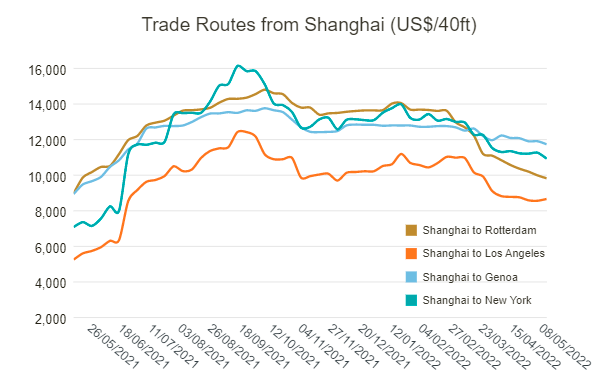
Only the US West Coast route freight index saw a slight 1% rebound.
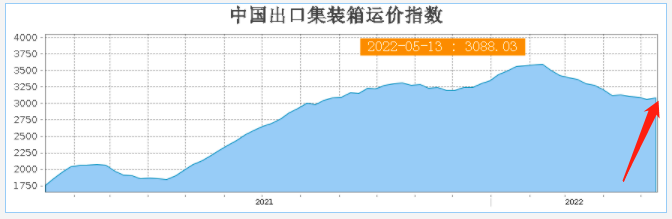
Data released by the Shanghai Shipping Exchange shows that in April, the China Containerized Freight Index (CCFI) averaged 3,131.53 points, down 6.0% from the previous month. After hitting a multi-year high in the fourth quarter of 2021, the CCFI has been declining for over 20 weeks since December 2021.
From January 28 to May 6, the China Containerized Freight Index (CCFI) dropped from 3565.33 to 3056.98, a decline of 14.25%; the Shanghai Containerized Freight Index (SCFI) fell from 5010.36 to 4163.74, a decrease of 16.89%.
However, it is worth noting that the latest CCFI index (as of May 13) showed a slight rebound, rising 1% from the previous period to reach 3088.03 points.
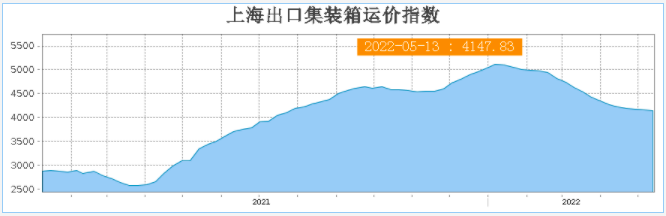
Although all major indices are trending downward, compared to data from a year ago, freight rates on Asia-to-Europe and Asia-to-America routes remain high. Baltic Freight Index (FBX) data shows that the current rate of USD 12,512 per FEU to the US West Coast is still double the USD 6,536.50 per FEU recorded in the same period last May.
While ocean freight rates have declined recently, they remain at elevated levels and have not significantly stimulated order volumes. For foreign trade companies operating on CIF terms, the drop in freight costs essentially translates into the seller's profit. The impact felt by foreign trade professionals remains minimal.
Transport Costs Remain High: Space Available but Trucking Fees Climb
The decline in freight rates signals weakening demand in the shipping market. According to the latest data from maritime consultancy Sea-Intelligence, container shipping demand has fallen for the fifth consecutive week.
Last year’s scenario of “hardly any space available” has reversed. Now, carriers are actively seeking cargo with available slots in hand. Most notably, according to feedback from textile exporters, space is ample and readily available—unlike last year when slots had to be secured through a lottery system. Recently, more freight forwarders have been promoting available space, making booking much easier than last year. The carriers’ behavior is even more telling: Previously, some shipping lines were picky about cargo for 20GP containers and strictly enforced weight limits. Now, they are largely taking whatever comes their way without refusal.
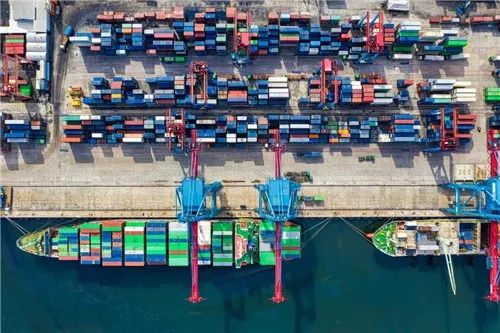
After the Chinese New Year, the first and second quarters are typically the off-peak season, with the peak shipping period coming in the second half of the year. Since this year’s Spring Festival, the ocean freight market has been lukewarm, and many exporters have not received new orders, leading to reduced export volumes. Industry peers note that the sharp drop in European route freight rates is mainly due to low cargo volumes coupled with increased carrier capacity. In fact, empty slots or booking cancellations are still a frequent occurrence.
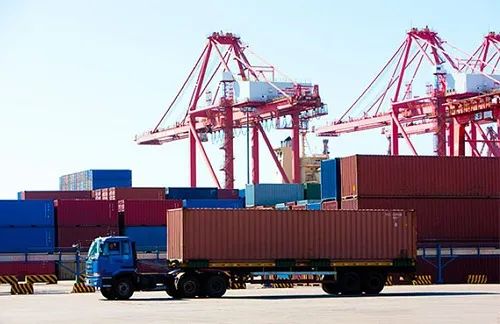
According to The Paper, by early April, the cost of trucking from Suzhou factories to Shanghai Port had risen to RMB 2,300. On April 14, drivers quoted RMB 5,400—more than double. On April 15, as the number of out-of-town drivers in Shanghai decreased, the latest quote rose by another RMB 1,000. All of this has invisibly added to costs.
Foreign Trade Orders Fluctuate, Freight Forwarders Engage in Price War
Currently, shipping space is in ample supply, with capacity exceeding demand. Freight forwarders are exceptionally busy, yet order conversion rates remain low, with prices quoted but few deals closed. Some forwarders have already started a price war, slashing rates to grab cargo. Even so, some industry peers report that recent cargo volumes have dropped by 20% to 30% compared to the same period in previous years.
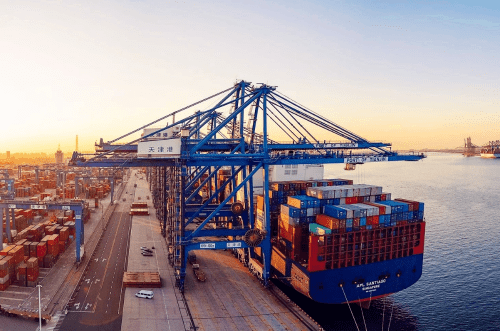
Freight forwarding business is closely linked to shippers’ cargo volumes. In addition to shipment delays caused by the pandemic, foreign trade order volumes are also fluctuating.
Many foreign trade companies saw a surge in orders last year due to overseas pandemic disruptions, but this year customer orders have dropped significantly—some even lower than in 2019. Some exporters note that for high-value products, ocean freight to Europe alone can account for 20%–30% of the cargo value; for low-value goods, it can exceed 50%. For overseas buyers, this makes the total cost comparable to purchasing directly in Europe, while also saving time and avoiding customs duties.
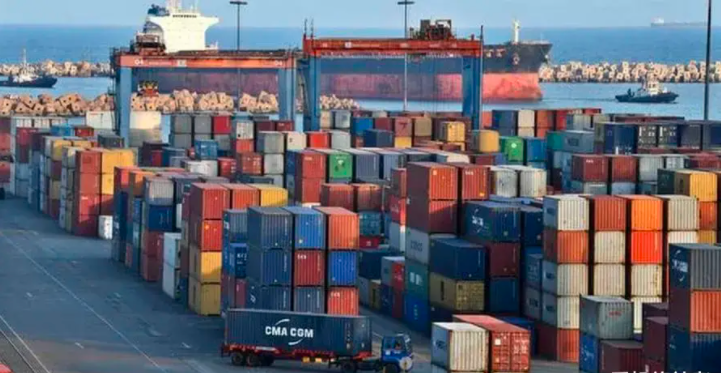
In addition, for textile export enterprises, as factories in Southeast Asia resume production, there are also concerns about losing foreign trade orders. Ocean freight is just one part of the equation; the overall foreign trade environment is not favorable.
In response to the recent challenge of export order outflows faced by some foreign trade enterprises, the Ministry of Commerce stated that it will make every effort to help enterprises secure orders and explore markets. The State Council executive meeting held on May 5 further intensified support for foreign trade enterprises in areas such as safeguarding orders, improving customs clearance efficiency, and increasing credit supply.