






























NEWS

HOME ꄲ NEWS ꄲ Maersk CEO: Container volumes expected to decline in the second half of the year

Maersk CEO: Container volumes expected to decline in the second half of the year

Published:2026-10-21 02:35
넶Views:4
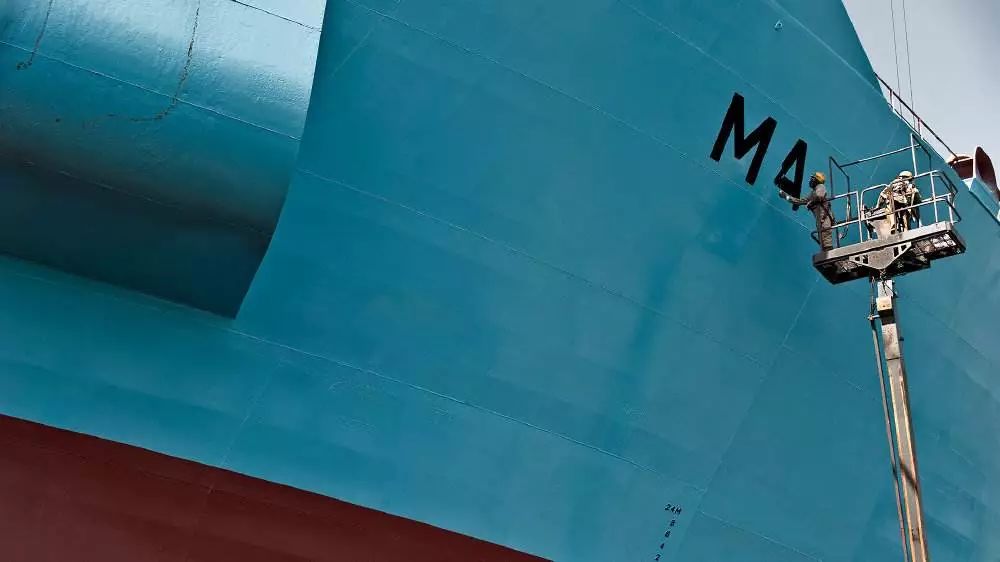
 
 
Maersk, the world's second-largest container shipping company, believes that globalization is not unraveling, but the era of ever-decreasing trade barriers has come to an end.
 

On June 19 local time, the Financial Times reported that Soren Skou, CEO of Maersk, the world's second-largest container shipping line, said in an interview that manufacturing is not returning to Europe and the US, and container volumes could soon take a significant hit.


 
Skou noted: "We are not seeing our customers shifting production back to Europe or the US. On the contrary, they are looking for more suppliers in Asia, so it is hard for us to see a dramatic change in the way the world produces consumer goods in the short or even medium term."
 
In Skou's view, globalization is not disintegrating, a statement that stands in stark contrast to the pessimism of many business executives who believe globalization is under attack. Maersk is a bellwether for global trade, with more than one-sixth of the world's containers transported by its ocean fleet. Data provider Sentieo found last month that mentions of nearshoring, insourcing, and offshoring in Maersk's recent earnings calls were at their highest level since 2005.
 
However, Skou also acknowledged the impact of global geopolitics on the shipping industry and the lack of new trade agreements in the US, but he stressed that global supply chains have not undergone massive changes. "Global trade generally moves with GDP. It hasn't become more liberalized, so we won't see much more growth, but neither has it sharply reversed."
 
Skou expects container volumes to decline in the second half of the year as global economic growth stalls, saying: "The factors that led to the container shipping boom since the end of the first wave of the pandemic could soon see a sharp reversal." He added that a "bullwhip effect" of falling demand and increasing supply could occur, after nearly two years where shipping groups struggled to cope with surging consumer spending.
 
"When it happens, it will happen quite fast, and we expect it (the volume decline) is unlikely to occur at the very beginning of the second half, probably not until August or later," Skou said. "I don't want to say I'm afraid," he added, pointing to the increase in long-term container shipping contracts and the rapid growth of the landside logistics business.
 
It is worth noting that Maersk expects its 2022 earnings could reach a new record, driven by factors such as record freight rates, persistent port congestion, and supply chain difficulties.